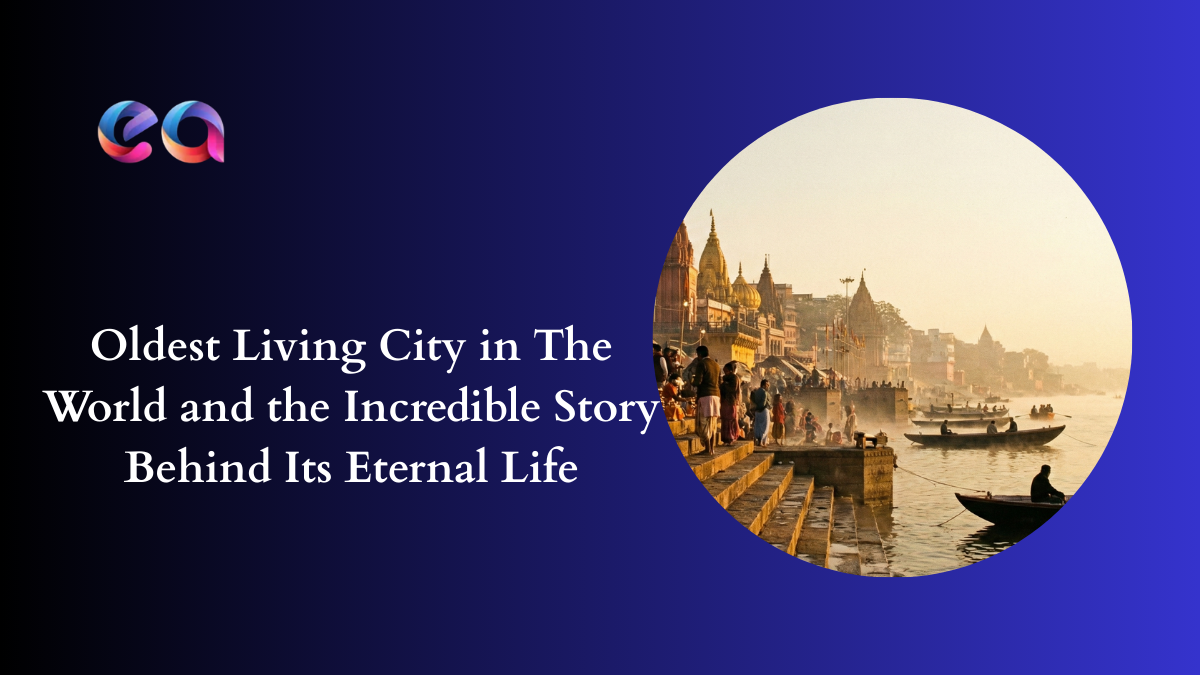


Varanasi often appears in travel magazines, documentaries, and pilgrim guides, yet few people truly understand its depth. It is widely regarded as the oldest living city in the world. What makes this ancient place so remarkable is not just its age but the fact that life here has never paused. Civilizations have collapsed, empires have risen and fallen, and cultures across continents have faded into memory. Meanwhile, Varanasi continues to breathe, chant, celebrate, teach, and evolve.
This article explores the timeless magic of Varanasi with a people-first approach. You will learn about its origins, cultural layers, local stories, scientific studies, and reasons travelers continue returning. It is less about retelling what others have written and more about revealing what makes this city feel alive in a very real sense. The goal is to give you something worth saving, sharing, or returning to whenever you plan a trip or seek to understand humanity’s oldest urban memory.
Table of Contents
Why Varanasi Is Known as the Oldest Living City in the World
Many places claim long histories. Jericho, Damascus, and Athens are often mentioned as contenders for ancient cities. Yet these regions went through phases of decline, relocation, or near abandonment. Varanasi stands apart because it has maintained continuous human settlement for several thousand years.
Archaeological studies, ancient texts, and historical accounts point to Varanasi’s existence going back at least 3000 years, with some cultural traditions hinting at an even older timeline. Local legends say the city was founded by a divine force, while historians connect its growth with early trade routes, agriculture, and learning centers along the Ganga.
The most striking truth is this: No matter how far back you look through historical layers, Varanasi never disappeared. Its rituals, crafts, families, and teachings have been passed down through countless generations. Even today, children in school recite lessons on the same soil where scholars once debated centuries ago. Fishermen, potters, priests, and weavers still follow techniques their ancestors used. That continuity gives the city its living identity.
Understanding Varanasi Through Time: A Journey Across Civilizations
To appreciate why Varanasi has survived for so long, it helps to understand how each era contributed to its personality. The city is a living museum where stories rise from every street corner.
The Early Seeds of Civilization
Varanasi’s earliest footprint can be traced to settlements that grew along the northern plains of India. The steady flow of the river supported fertile land, fishing, trade, and crafts. Small communities eventually grew into a busy urban cluster.
Even today, when you walk along the older lanes, you may notice homes that sit on foundations older than some modern countries. These neighborhoods carry clues about how ancient families lived, traded, and prayed.
The Age of Spiritual Thought and Knowledge
Varanasi is often recognized as a spiritual capital. This is not due to large temples alone but because the city once served as a center for early thinkers, scholars, and philosophers. It hosted discussions on the nature of life, the universe, and human purpose long before universities existed.
Many travelers note that you can feel a sense of reflection in the air here. It is not a tourist attraction but a decades-long cultural habit. People pause, think, pray, and question with sincerity. That tradition keeps the city intellectually active.
Trade, Crafts, and Cultural Exchanges
Varanasi has always been a destination for traders from across the region. Craftsmen developed weaving skills that made the city famous for Banarasi silk. These fabrics remain popular in weddings and festivals. You might find a weaver whose family has passed down the art for generations, creating patterns inspired by stories, nature, and mythology.
The city welcomed travelers from Central Asia, the Middle East, Europe, and Southeast Asia at different points in history. Their presence added layers to the city’s culture, influencing food, music, architecture, and language.
The Medieval and Colonial Chapters
In medieval times, rulers built structures, paths, ghats, and small settlements around the river. These additions blended with the city’s older parts rather than replacing them. During colonial times, Varanasi developed new schools, printing presses, and administrative offices. Yet the ancient soul remained untouched, which is uncommon for cities with such long histories.
The Ghats: The Beating Heart of Varanasi’s Daily Life
If Varanasi is the body, the Ghats are its heartbeat. There are more than eighty Ghats along the riverfront, each holding a unique character. Some are peaceful and ideal for quiet reflection. Others are busy with morning rituals, prayers, yoga, or art.
Why the Ghats Feel Alive
Visitors often speak of the Ghats as if they have personalities. The reason is simple. Every moment here is filled with movement. Boats glide along the river. People gather for ceremonies, music, readings, or festivals. Communities practice age-old routines with rhythm and care.
This activity has continued through centuries, shaping a culture where the river and the city merge into one.
The Famous Aarti Experience
The evening Aarti draws crowds who come to watch priests perform synchronized rituals with lamps and chants. Many travelers describe it as a moment that feels larger than a simple ceremony. The sound of bells, the glow of lamps, and the gentle movement of the river create a rare harmony.
Instead of feeling like a staged attraction, it still feels authentic. Local families return often, bringing children so they can learn the tradition. This shared participation keeps the ritual alive.
The Sacred Connection With the River
Historically, the river supported life by providing food, water, and agriculture. It also played a role in culture and spirituality. Communities believed that the river carries memories, blessings, and stories from one generation to the next. That belief has encouraged people to care for it and maintain daily connections with its banks.
The Spiritual Identity of Varanasi and Why it Draws Seekers From Around the World
Varanasi is not a single-faith city. It has welcomed seekers from many traditions. You may meet travelers exploring inner balance, pilgrims discovering old teachings, students practicing music, or artists studying local crafts.
Why the City Feels Transformative
Every lane echoes with chants, bells, conversations, and music lessons. This creates a unique atmosphere where introspection becomes natural. Even people who visit for secular reasons often say the city made them reflect deeply on life. The feeling is not created by temples alone. It is woven into the city’s social structure. Families encourage learning, discussion, and storytelling. Priests and scholars often share insights freely. Local residents guide visitors with warmth. This environment makes the city feel accessible to everyone, regardless of background.
Traditional Crafts That Have Survived for Centuries
Varanasi is as much a craft city as a spiritual hub. Several traditional arts continue to thrive due to strong local dedication.
Banarasi Silk Weaving
This craft is one of the city’s most admired treasures. Weavers spend days and sometimes weeks designing and crafting a single piece. Many use handlooms and techniques passed down for generations.
You might meet artisans who can describe how patterns evolved over decades or how certain motifs reflect legends, festivals, or nature. These details keep the craft alive with originality.
Metalwork, Woodwork, and Stone Art
Artisans create lamps, statues, household items, and ornaments using skills inherited through family lines. These crafts tell the story of how manual expertise played a role in shaping early societies before machines existed.
Musical Traditions
Varanasi has produced several renowned musicians who contributed to classical Indian music. The city has always encouraged artistic growth through schools, small music circles, and informal gatherings. Even today, it is common to find music students practicing near Ghats or inside traditional homes.
The Culture of Learning That Never Stopped
Varanasi is home to one of the largest and oldest learning hubs in India. The tradition of education here stretches back to early civilization.
Ancient Systems of Knowledge
Historical records describe scholars who studied philosophy, astronomy, mathematics, medicine, and languages in the city. These systems encouraged curiosity and open conversation.
Modern Growth of Educational Institutions
Today, large universities and research centers carry forward this legacy. Students from across the country and abroad travel to the city for higher studies. The bond between modern learning and traditional knowledge creates a landscape that feels relevant and timeless at the same moment.
Food Culture: A Living Archive of Flavors and Traditions
Food in Varanasi is deeply tied to its cultural identity. Meals are simple yet flavorful, often prepared with recipes that have remained unchanged for years.
Street Delights That Capture the City’s Soul
Kachori sabzi, tamatar chaat, lassi, and malaiyyo are among the city’s favorites. Each dish carries a story. For instance, cooks often prepare kachoris early in the morning, long before sunrise, following routines learned from older family members.
Festive Flavors
During festivals, homes prepare special meals that bring families together. These celebrations reflect not only cultural heritage but also shared memories that bind communities.
Modern Varanasi: A Blend of Heritage and Future
The city is evolving steadily. While it respects its historic roots, it also adapts to new ideas. Roads, airports, and local transport have improved. Digital infrastructure is growing. Cafes, studios, co-working spaces, and cultural centers now exist beside ancient neighborhoods.
Sustainable Tourism and Community Efforts
Local organizations and volunteers often work to preserve heritage buildings, improve waste management, and promote responsible tourism. Their actions help protect historical sites and support livelihoods.
A City Ready for the Future
Varanasi’s charm lies in its ability to grow while honoring tradition. Visitors often feel inspired by how the city balances change without losing identity. It proves that progress and heritage can coexist peacefully.
Personal Experiences That Reveal the City’s Heart
To understand Varanasi deeply, you must look beyond monuments and rituals. The city reveals its character through simple interactions.
A Morning Walk on the Ghats
One morning, during an early walk near Assi Ghat, I watched a group of school students practicing yoga. Nearby, a flower seller arranged marigolds for rituals. A young drummer tuned his instrument while a photographer captured sunrise shots. The scene reflected how the city welcomes different interests and blends them naturally.
A Conversation With a Weaver
In a weaving neighborhood, a weaver once shared how he learned the craft by sitting next to his grandfather. He explained how each thread has a purpose and each color carries meaning. The pride in his voice showed how families preserve traditions with dedication.
A Meal With a Local Family
During a festival evening, a family invited me to share a simple meal. Their stories about celebrations, childhood memories, and cultural values displayed the warmth that defines the city’s spirit. These moments highlight why Varanasi feels alive. It is not the structures or rituals alone but the people who nurture heritage through daily actions.
Important Facts About Varanasi That Many People Do Not Know
Here are some lesser-known insights that enrich your understanding of the oldest living city in the world.
Continuous Settlement
Varanasi is widely considered the only major city with uninterrupted habitation for several thousand years. This continuity is rare and makes it a living historical record.
A Long Tradition of Medicine
Ancient healing systems developed here due to access to medicinal plants, knowledge centers, and natural resources.
Influence on Literature
Several poets and writers developed their craft in the city. Its environment encourages creativity and thoughtful expression.
A City of Many Cultures
Although known for spiritual identity, Varanasi has welcomed diverse communities for centuries. This mix has shaped architecture, food, crafts, and festivals.
A Hub of Pilgrimage
Millions of visitors arrive annually for spiritual and cultural reasons. The city handles this flow while maintaining its traditional lifestyle.
Why Travelers From Around the World Continue Visiting Varanasi
Visitors do not come here only to see monuments. They come to feel the city. Many describe Varanasi as a place that stays with them long after they leave.
A Deep Sense of Reflection
The environment encourages you to think about your goals, choices, relationships, and purpose. The calm flow of the river adds to this reflective mood.
An Unmatched Cultural Energy
From music to festivals, every activity carries authenticity. Travelers often feel welcomed and safe to participate.
A Learning Experience
The city teaches patience, humility, and respect for heritage. Even a short trip becomes personally meaningful.
Travel Guidance for Those Visiting Varanasi for the First Time
If you plan a visit, here are some helpful insights:
Timing Your Trip
The winter months between November and February offer pleasant weather, making it ideal for outdoor activities.
Planning Your Schedule
Early mornings and evenings provide the best experiences at the Ghats. Midday is perfect for exploring craft centers, local markets, and traditional eateries.
Being Respectful
The city holds deep cultural significance. Dress modestly, follow local customs, and ask before taking photographs of rituals or people.
Exploring Local Markets
You can find beautiful silk sarees, wooden toys, metal lamps, hand-crafted jewelry, and pottery. Supporting local artisans helps preserve centuries-old traditions.
Bestseller #1

Bestseller #2

Bestseller #3

Trying Local Food
Street food is safe when chosen from clean, popular shops. Always stay hydrated and plan breaks during your exploration.
What Makes Varanasi Truly Eternal
When you combine all the elements that make up Varanasi, you begin to see why it is known as the oldest living city in the world. It is not simply because humans lived here long ago. It is because the city carries forward a complete way of life through natural continuity.
Families pass down stories. Artisans protect crafts. Teachers share knowledge. Pilgrims keep rituals active. Travelers add new experiences. Festivals repeat year after year with warmth and participation. The river flows gently through all these chapters. Life here is not preserved in glass. It is lived openly, with pride, honesty, and rhythm. That is what gives Varanasi its immortal character.
Conclusion: A City That Teaches Humanity How to Live With Purpose
Varanasi is not just a destination. It is a lesson. It shows how history, culture, creativity, and spirituality can remain alive through community and care. In a world where cities change rapidly, Varanasi stands as a reminder that continuity has power.
Whether you visit for reflection, culture, learning, or exploration, the city welcomes you with a warm heart. It invites you to slow down, pay attention, and appreciate life’s simple beauty. As you walk along its Ghats or through its lanes, you feel connected to the millions who have lived before you. That connection gives meaning to the phrase “the world’s oldest living city.”
Varanasi continues to live because its people live its values every day. And as long as they do, the city will never grow old.