

The allure of fresh, pristine snow transforms the northern reaches of India into a breathtaking winter wonderland every year. For many, experiencing the silence of a snow-covered landscape—the soft crunch of boots on the ground, the scent of pine needles under a white blanket, and the sheer majesty of the Himalayas draped in white—is the ultimate travel dream.
While the online discourse often centers on quick lists, this is the definitive, comprehensive guide for the discerning traveler. We move beyond simple destination names to cover the critical logistics, seasonal timing, essential preparation, safety protocols, and regional nuances you need to plan a successful, memorable, and safe snow trip. This guide focuses heavily on the start of the season—December—and extends through the peak snowfall months of January and February.
Table of Contents
Decoding India’s Snow Season: When and Where to Go
The timing of your visit is the single most crucial factor in ensuring you witness significant, powdery snow. While a light dusting can occur as early as late November, the consistent, heavy snowfall that defines a true winter experience begins in December and reaches its zenith in the new year.
The Climate Context: Understanding the Himalayan Winter Cycle
The snowfall in the Indian subcontinent is predominantly dictated by the Western Disturbances (WD)—extratropical storm systems originating in the Mediterranean region. These systems bring moisture and cold air masses that clash with the Himalayan barrier, resulting in precipitation, often as snow, across the northern states.
| Month | Typical Snow Status | Traveler Expectation |
|---|---|---|
| Late November | Pre-season dusting at very high altitudes (10,000+ ft). | Unreliable. Not the best time for guaranteed snow. |
| December | Start of reliable, consistent snow above 7,000 ft. Excellent for early-season scenic views and gentle snow activities. Roads are generally clearer. | The ideal month for first-timers seeking a balance of snow and accessibility. |
| January | Peak Snowfall. Heavy, consistent accumulation. Roads are often blocked. | Best for serious snow enthusiasts, skiing, and deep powder. Requires robust planning for delays. |
| February | Consistent snowfall continues, often with excellent weather windows. Slushy conditions begin towards the end of the month at lower altitudes. | Great for photography and adventure sports. Still peak season. |
| March | Retreating snow, often found only on high mountain passes (e.g., Rohtang Pass, depending on the year). | Good for witnessing snow melting and opening of passes. |
Regional Snow Dynamics: North vs. Northeast
The snow experience varies dramatically between the western Himalayas (Kashmir, Himachal, Uttarakhand) and the eastern Himalayas (Sikkim, Arunachal Pradesh).
- Western Himalayas (The Classics):
- Intensity: Higher, more frequent, and more predictable snowfall.
- Logistics: Better-developed infrastructure, easier accessibility to major towns, more options for accommodation and rental gear.
- Style: Alpine landscapes, traditional Pahari and Kashmiri culture.
- Eastern Himalayas (The Unexplored):
- Intensity: Equally heavy at certain high-altitude points, but less geographically widespread. More isolated and short-lived.
- Logistics: Requires inner-line permits, challenging road conditions, and fewer high-end amenities.
- Style: Monastic snowscapes, distinct tribal cultures, and rugged, untouched beauty.
The Major League Snow Destinations (The Classics)
These destinations form the backbone of Indian winter tourism, offering a blend of majestic views, established infrastructure, and reliable snowfall.
Jammu & Kashmir: The Crown of Snow
Kashmir is universally known for its breathtaking beauty, which is amplified tenfold in winter. It is the gold standard for a reason.
1. Gulmarg: The Skiing and Powder Capital
- Altitude: ~8,500 ft (2,600 m)
- December Experience: Usually guarantees substantial snow, perfect for early-season skiing or simply enjoying the unparalleled views of the Pir Panjal range.
- Must-Do: The Gulmarg Gondola, the second-highest cable car in the world. Even if you don’t ski, taking Phase 1 (to Kongdoori) is essential. Phase 2 often requires professional gear and is frequently closed due to heavy snow or avalanche risk in January/February.
- Logistics Tip: Gulmarg is 56 km from Srinagar. During heavy snow, vehicles are often stopped 3 km before Gulmarg town, and you must hire local, chained 4×4 vehicles (or sleds) for the final stretch. Always factor this into your budget and travel time.
2. Pahalgam: The Serene Snow Valley
- Altitude: ~7,200 ft (2,200 m)
- December Experience: Less commercial and more serene than Gulmarg. Snowfall turns the Lidder River Valley into a peaceful, cinematic landscape.
- Unique Feature: Aru Valley and Betaab Valley are completely cut off in deep winter, offering pristine, untouched snow for quiet walks and photography—if you can get there.
- Insider Tip: Stay in a local wooden cottage for an authentic Kashmiri winter experience, complete with a Bukhari (traditional wooden heater) and a Kangri (a small pot of glowing embers carried inside clothes for personal heating).
Himachal Pradesh: Accessible Alpine Beauty
Himachal offers easier accessibility from North Indian plains and caters to a wide range of budgets and travel styles.
3. Manali and Solang Valley: The Adventure Hub
- Altitude: Manali (~6,700 ft / 2,050 m); Solang Valley (~8,400 ft / 2,560 m)
- December Experience: Manali town sees heavy, though often slushy, snow. The real action is just 13 km away in Solang Valley, which is purpose-built for winter sports.
- Activities: This is the primary spot for paragliding (if weather permits), zorbing, skiing, and snow scooter rides.
- Logistics Tip: The road beyond Solang (towards Rohtang/Atal Tunnel) is strictly regulated. Rohtang Pass is closed by November end. The Atal Tunnel, while open, may have heavy restrictions and require permits and chained vehicles depending on the snow intensity. Do not assume the tunnel is always open for tourists in deep winter.
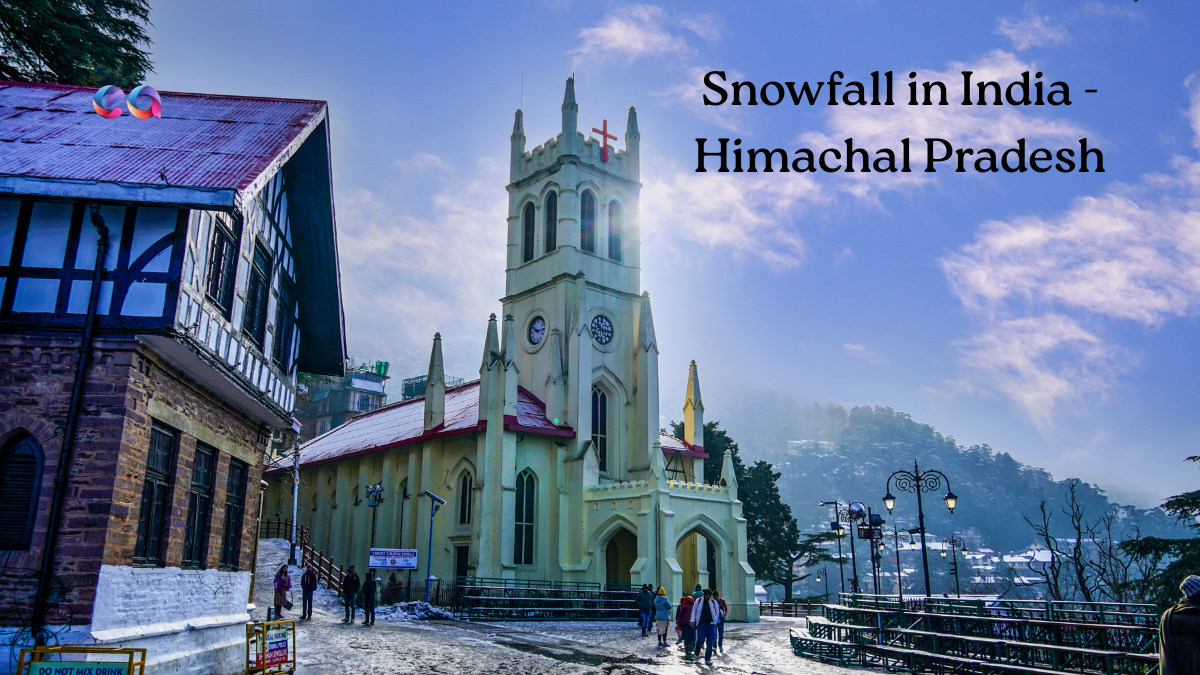
4. Shimla and Kufri: Colonial Charm and Family Fun
- Altitude: Shimla (~7,400 ft / 2,276 m); Kufri (~8,900 ft / 2,720 m)
- December Experience: Shimla is generally the first major Himachal town to receive widespread, heavy snow. It turns the colonial architecture of the Mall Road and Ridge into a stunning spectacle.
- Kufri Advantage: Kufri, a short drive from Shimla, is higher and holds snow longer. It is excellent for family sledding and short pony rides through snowy trails.
- Insider Tip: While Shimla is beautiful, the infrastructure (water/electricity/traffic) can struggle during peak snow. Staying in nearby, quieter Narkanda offers higher altitude snow with fewer crowds.
5. Dharamshala/McLeod Ganj: Monastic Snowscapes
- Altitude: McLeod Ganj (~6,800 ft / 2,080 m)
- December Experience: Dharamshala is usually chilly and gets rain/sleet, but the higher parts of McLeod Ganj and the surrounding Dhauladhar range get significant, consistent snow. The sight of the Dalai Lama Temple complex dusted with white is unforgettable.
- The Triund Trek: The popular Triund trek (~9,350 ft) is often covered in deep snow and closed or only accessible with an experienced guide and proper gear. Do not attempt it without checking local conditions.
Uttarakhand: Devbhoomi Under Snow
Uttarakhand, the ‘Land of the Gods,’ provides a more spiritual and often more physically challenging snow experience.
6. Auli: India’s Premier Skiing Destination
- Altitude: ~8,200 ft (2,500 m)
- December Experience: Auli is specifically known for its vast, open meadows that are perfect for skiing. It relies heavily on the WD, and while December is the start, January and February are prime-time for the ski slopes.
- Access Challenge: Auli is primarily accessed via Joshimath. The Joshimath-Auli ropeway is the most scenic way up, but it is frequently closed for maintenance or due to high winds/snow. Check the operational status before you rely on it. Road access is often rough and snow-covered.
- Accommodation: Mostly high-end resorts and government-run GMVN facilities. Book well in advance.
7. Munsiyari: The Little Kashmir (Lesser-Known Gem)
- Altitude: ~7,200 ft (2,200 m)
- December Experience: Located deep in the Pithoragarh district, Munsiyari offers raw, dramatic views of the Panchachuli peaks. Snowfall is heavy and isolation is guaranteed.
- Unique Feature: This region offers glimpses into the local Shauka (Bhotia) culture and provides a much more rugged, off-the-grid winter experience compared to the bustling towns of Manali or Shimla.
- Difficulty: Getting there involves a long, winding, and challenging drive, making it suitable for experienced mountain travelers.
Bestseller #1

Bestseller #2

Bestseller #3
Beyond the Himalayas: Lesser-Known & Unexpected Snowfall Gems
For travelers who have ticked off the main locations and are seeking genuine solitude, the eastern Himalayas and specific high-altitude outposts offer remarkable, often demanding, alternatives.
Sikkim & Northeast India: Unexplored Snow Trails
Travel in the Northeast requires significantly more planning, including securing permits and dealing with military restrictions.
8. Yumthang Valley (Sikkim): The Rhododendron Sanctuary
- Altitude: ~11,800 ft (3,600 m)
- December Experience: The valley floor is usually blanketed in snow, and the journey itself from Lachung is spectacular. It’s often compared to Switzerland for its alpine meadows.
- Logistics & Permits: You must acquire the Inner Line Permit (ILP) for Sikkim and a Protected Area Permit (PAP) for the northern regions like Lachung and Yumthang. These are best handled through a registered tour operator, as independent travel is severely restricted.
- The Zero Point Challenge: The road to Zero Point (Yumesamdong, ~15,200 ft) is almost always closed in deep winter (January-February) due to extreme snow. December might offer a small window, but accessibility is never guaranteed.
9. Tawang (Arunachal Pradesh): High Altitude Monastic Beauty
- Altitude: ~10,000 ft (3,048 m)
- December Experience: Tawang receives heavy snow, transforming the Tawang Monastery and its surroundings into an austere, stunning sight.
- Key Challenge: Accessing Tawang involves traversing high-altitude passes like the Sela Pass (~13,700 ft). This pass is prone to heavy snowfall and closures.
- Permits: Similar to Sikkim, an Inner Line Permit (ILP) is mandatory for domestic tourists, and a Protected Area Permit (PAP) for foreigners. Arrange this well in advance.
The South India Anomaly: Frost vs. Flakes
It is essential to clarify a common misconception: true, low-level, measurable snowfall does not occur in South India.
Regions like Ooty or Munnar, particularly during January and February, experience severe frost and temperatures that dip below freezing. This results in white, crystalline layers on the grass, giving the appearance of snow, but it is fundamentally different from the heavy, powdery snow of the Himalayas. Travelers seeking the real, authentic snowfall experience must plan for the Northern mountains.
The Ultimate Snow Travel Planning Checklist
Preparation is not just about packing warm clothes; it’s about anticipating the unique challenges of mountain travel in winter. Poor planning can turn a dream trip into a dangerous ordeal.
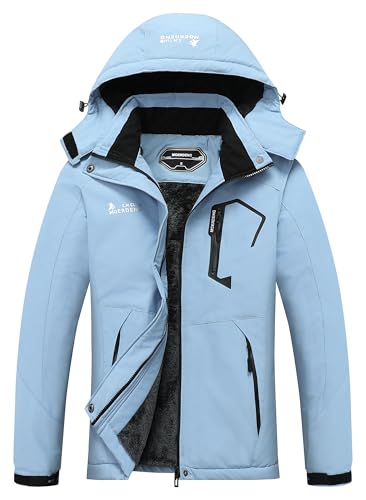
Essential Gear: Layering and Footwear
The single most important concept for cold weather is the three-layer system:
- Base Layer (The Wicking Layer):
- Purpose: To wick sweat away from the body.
- Material: Merino wool or synthetic thermal wear. Avoid cotton, which retains moisture and will make you colder.
- Mid-Layer (The Insulation Layer):
- Purpose: To trap heat.
- Material: Fleece, puffy jacket (down or synthetic), or a thick sweater.
- Shell Layer (The Protection Layer):
- Purpose: To shield against wind, rain, and snow.
- Material: Waterproof and windproof jacket and trousers (Gore-Tex or similar). This is non-negotiable for snowfall.
Crucial Footwear Advice:
- MANDATORY: Waterproof, high-ankle snow boots. Not water-resistant, waterproof.
- Socks: Multiple pairs of wool or synthetic trekking socks (to be layered). Carry spare socks in a waterproof bag.
- Accessories: Waterproof gloves (at least two pairs—one for snow play, one dry reserve), warm head cap, and UV-protected sunglasses (snow blindness is a real and painful risk due to the intense reflection).
Accommodation Strategy: Pre-booking vs. On-spot Decisions
In a snow-prone region, flexibility and safety must be balanced with the need for guaranteed shelter.
- December (Early Season): You can often secure rooms on the spot, but pre-booking is still advised, especially for weekends.
- January/February (Peak Season): Pre-booking is mandatory. With heavy snow, roads can close, leaving travelers stranded. Hotels with reliable central heating or Bukhari facilities are prioritized.
- Must-Ask Questions When Booking:
- Is there a backup power supply/generator (to run heaters)?
- Is there running hot water 24/7 (water pipes freeze easily)?
- How far is the hotel from the main road in case of snow blockage?
Budgeting for a Snow Trip: Hidden Costs
A snow trip involves specific expenses that can easily double your initial budget if not accounted for:
- Vehicle Chains/4×4 Fees: When a road is covered in snow or ice, local traffic police mandate the use of chained 4×4 vehicles. This is an extra cost on top of your regular taxi fare (e.g., from Manali to Solang, or Srinagar to Gulmarg). This fee is non-negotiable and essential for safety.
- Heater Charges: Many budget or mid-range hotels charge separately for room heaters or for firewood for a Bukhari because of the high operating costs.
- Equipment Rental: Renting snow gear (jackets, boots, gloves, skiing equipment) is often cheaper than buying, but budget for daily rental costs (e.g., ₹500–₹1,500 per person per day).
- Travel Insurance: Given the high risk of road closures, flight delays, and potential health issues (AMS), comprehensive travel insurance covering cancellations and medical emergencies is crucial.
Documentation & Permits
For specific, high-altitude or sensitive border regions, you cannot travel without official clearance:
- Inner Line Permit (ILP): Mandatory for domestic and foreign tourists traveling to restricted zones, primarily in the Northeast (Sikkim, Arunachal Pradesh).
- Protected Area Permit (PAP): Required for foreigners in many of the same areas.
- Vehicle Permits: For places like the Atal Tunnel or certain controlled routes in Himachal, your taxi or private vehicle may require a pre-booked online permit.
- Mandate: Carry multiple physical copies of your Aadhar Card/Passport and the relevant permits, as checkpoints are frequent and mobile signal is often non-existent for digital copies.
Safety, Logistics, and Responsible Tourism
A successful winter trip prioritizes safety. The mountains are beautiful but unforgiving, and respecting their power is paramount.
Road Safety: Navigating Icy and Closed Roads
Heavy snowfall brings with it the risk of black ice, landslides, and road closures.
- Hire Local Drivers: Always hire a local driver who understands the mountain roads, the behavior of the snow, and the correct application of tire chains. They are trained in navigating white-out conditions and dealing with roadblocks.
- Monitor Official Sources: Before starting your journey, check road conditions from official sources like the Border Roads Organisation (BRO) or the local district administration’s social media accounts. Never rely on the word of a single hotel or a non-local driver.
- Be Flexible: Prepare for the high probability of delays. A planned 5-hour journey can easily turn into 15 hours if a snow clearance operation is underway. Do not schedule tight connections or flights immediately after a mountain journey.
Altitude Sickness (AMS): Prevention and Action
Many popular snow destinations (like Gulmarg, Auli, Tawang) sit above 8,000 feet, where the risk of Acute Mountain Sickness (AMS) begins.
- Ascend Gradually: The golden rule of high-altitude travel is “Climb High, Sleep Low.” If possible, spend a night at a lower altitude before moving to the final snow destination (e.g., stay in Jammu or Udhampur before Srinagar, or Manali before Solang).
- Stay Hydrated: Drink ample water (non-alcoholic fluids). The cold often suppresses the thirst mechanism, but dehydration exacerbates AMS.
- Avoid: Alcohol, tobacco, and heavy physical exertion on the first day of arrival.
- Symptoms and Action: Mild symptoms include a headache and nausea. If symptoms worsen (difficulty breathing, confusion, severe vomiting), descend immediately. This is the only definitive cure.
Cultural Sensitivity in Mountain Regions
The people of the Himalayas have a profound and deep-rooted respect for their environment, which is often tied to their spiritual beliefs.
- Respect Sacred Spaces: When visiting monasteries, temples, or local shrines, always dress modestly and observe the local customs, such as walking clockwise around stupas.
- Engage Locally: Buy local crafts, hire local guides, and eat at local dhabas. Your money directly supports the communities who brave the harsh winters.
- Photography: Always ask for permission before taking photographs of individuals, especially elderly people or children.
Eco-Conscious Travel in Fragile Ecosystems
The mountain environments are extremely fragile. Your actions have an outsized impact.
- Carry-In, Carry-Out: Follow the ‘Leave No Trace’ principle. Carry all non-biodegradable waste (especially plastic) with you until you can dispose of it responsibly. Snow covers trash, but it does not remove it.
- Minimize Water Use: Water is a critical and scarce resource in winter when pipes freeze. Be conscious of your consumption and report any leaks.
- Avoid Wildlife Disturbance: Winter is a difficult time for mountain wildlife. Keep your distance and never attempt to feed wild animals.
Embracing the Snow Experience: Activities and Culture
The mountains offer more than just a view; they offer a unique lifestyle and seasonal activities you can embrace.
Thrills on Snow: Adventure Activities
Once you are acclimatized and have your gear, the snow provides a natural playground:
- Skiing and Snowboarding:
- Where: Gulmarg (for advanced/powder), Auli (for groomed slopes), Solang Valley (for beginners).
- Tip: Always hire a certified instructor for the first few sessions. Mountain sports carry inherent risk, and proper technique is vital.
- Sledding and Tubing: Perfect for families and non-skiers. Sledding is widely available in Kufri, Solang, and Gulmarg (often driven by local guides).
- Snow Trekking/Hiking: Shorter, guided walks on packed snow (not deep powder) are incredibly rewarding. This allows you to explore pine forests and listen to the muffled silence of the snow-covered valleys.
Local Winter Festivals and Cuisine
Winter travel offers a glimpse into the local way of life, where community and warmth are paramount.
- Cuisine: Local food is designed to combat the cold.
- Himachal: Sidu (a fermented bread) with local butter, and thick Dal Chawal (lentils and rice).
- Kashmir: The Wazwan (a multi-course feast) is a must, but focus on warm items like Harissa (slow-cooked meat stew) and Kahwa (saffron-infused green tea).
- Uttarakhand: Gahat ki Dal (horse gram lentils) and Kandali ka Saag (nettle greens), both highly nutritious and warming.
- Festivals: Look out for local winter festivals, often tied to deities or the lunar calendar, which involve vibrant music, traditional dances, and communal feasting. These events are excellent opportunities to witness local culture firsthand.
Photography Tips for Stunning Snowscapes
Snow photography presents unique technical challenges due to the extreme brightness.
- Exposure Compensation: Snow often tricks your camera’s light meter into underexposing the image (making the snow look gray). Always dial in a positive exposure compensation (+1 to +2 stops) to ensure the snow is rendered a bright white.
- Golden and Blue Hours: The most dramatic light is during the golden hour (shortly after sunrise, just before sunset) and the blue hour (the twilight before sunrise, after sunset). These brief windows bring out the texture and color of the snow.
- Include Color: A lone figure in a red jacket, a brightly painted house, or a colorful prayer flag against the white backdrop creates a compelling focal point.
Conclusion: An Invitation to India’s Winter Majesty
Experiencing snowfall in India is a journey into a landscape of unimaginable beauty and profound cultural richness. It demands preparation, respect for the environment, and a willingness to embrace the logistical challenges that come with high-altitude winter travel.
Whether you choose the well-trodden slopes of Gulmarg, the accessible heights of Manali, or the secluded monastic beauty of Tawang, the rewards are immense. The sheer scale of the snow-covered Himalayas offers a unique opportunity for introspection, adventure, and unforgettable memories. By adhering to a people-first mindset, preparing meticulously, and traveling responsibly, you are not just a tourist—you are a participant in the extraordinary tapestry of the Indian winter. Plan with foresight, travel with caution, and allow the mountains to work their magic.